

Navigating the evolving landscape of food safety
As consumer demand for fresh, minimally processed produce continues to rise, so too does the scrutiny of food safety.





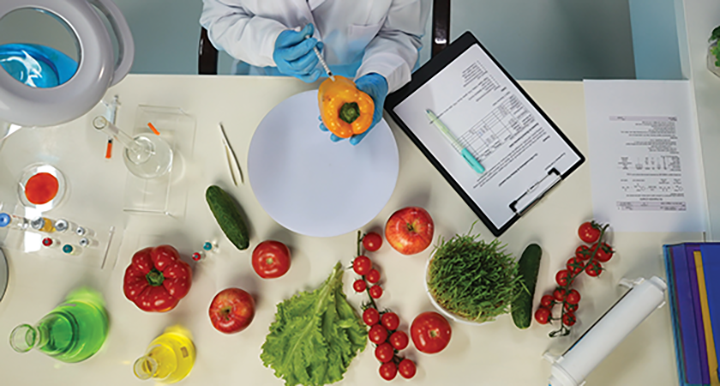
As consumer demand for fresh, minimally processed produce continues to rise, so too does the scrutiny of food safety. Recent outbreaks of foodborne illnesses linked to fresh produce — such as E. coli in leafy greens or Listeria in melons — have underscored the need for stricter safety measures.

Jorge Izquierdo
Fortunately, advancements in technology, improved traceability systems, and updated regulations are helping processors and suppliers mitigate risks while maintaining efficiency.
SHIFT TOWARD PREVENTIVE MEASURES
Traditionally, food safety programs focused on reactive measures — testing for contaminants after production or in response to outbreaks. However, the industry is now shifting toward preventive strategies, spurred by regulations such as the Food Safety Modernization Act (FSMA). This proactive approach emphasizes hazard analysis and risk-based preventive controls (HARPC), requiring processors to identify and mitigate risks before they lead to contamination.Food processors are also ordering automated systems that document cleaning times and temperatures to confirm compliance and provide an alert of any deviation that could result in a recall. Advanced antimicrobial washes and UV light treatments are also gaining traction as additional safeguards against bacteria and pathogens.

Produce companies must now maintain end-to-end traceability systems, allowing them to quickly identify and recall contaminated products before they reach consumers. © rawpixel, 123RF Free Images
ADVANCES IN TRACEABILITY AND TRANSPARENCY
Supply chain traceability has become a top priority as consumers demand more information about the origin of their food. In response, produce processors are increasingly adopting blockchain technology and digital traceability systems to create transparent, verifiable records of a product’s journey from farm to store.New QR code labeling and smart packaging solutions are also being implemented to provide real-time data on food safety. These innovations enable retailers and consumers to check temperature histories, storage conditions and expiration dates with a simple scan, enhancing confidence in food quality.
COMBATTING PATHOGENS WITH EMERGING TECHNOLOGIES
Controlling pathogens in produce processing has always been a challenge, but emerging technologies are making significant strides in microbial reduction. These include:- High-pressure processing (HPP): This non-thermal pasteurization method uses extreme pressure to eliminate bacteria without affecting the taste or nutritional content of produce. HPP is becoming a preferred option for ready-to-eat items like pre-cut fruits and vegetable juices.
- Plasma technology: Cold plasma treatment is being explored as a chemical-free method to deactivate harmful bacteria on produce surfaces. This technology has shown promising results in reducing pathogens while maintaining the integrity of fresh food.
- AI-powered inspection systems: Artificial intelligence (AI) and machine vision are being deployed in processing plants to detect contaminants, identify foreign objects and assess product quality in real time. These automated systems improve accuracy and efficiency, reducing the risk of tainted products reaching the market.
ROLE OF ROBOTICS AND AUTOMATION
Labor shortages and the need for increased hygiene have accelerated the adoption of automation in produce processing. Robotics are now handling delicate produce, reducing human contact and potential contamination points. Automated sorting, cutting and packing systems are improving precision while minimizing food safety risks.Additionally, collaborative robots (cobots) are being integrated into sanitation procedures, ensuring that equipment cleaning and disinfection meet the highest safety standards. These innovations enhance food safety and improve operational efficiency in a labor-constrained environment.
LOOKING AHEAD
A combination of data-driven decision-making, automation and next-generation sanitization methods is shaping the future of food safety in produce processing. As climate change, globalization and consumer preferences evolve, processors will need to stay ahead by investing in real-time monitoring, advanced analytics and predictive risk assessment tools.Moreover, collaboration across the supply chain — from growers to retailers — will be essential to maintaining high food safety standards. Industry leaders must continue to share best practices, embrace innovation and engage with regulatory agencies to ensure the safety of fresh produce worldwide.
Food processors working to enhance product safety explored new technologies, observed equipment in action, comparedmachines, met key partners and found new packaging materials at the first PACK EXPO Southeast, held March 10–12 at the Georgia World Congress Center in Atlanta.
With 500 exhibitors spread over 110,000 net square feet, plus an array of educational and networking sessions, the debut event was packed with actionable information to meet product safety, regulatory compliance, productivity and sustainability goals.
Attendees found sustainable solutions such as mono-material design and reusable options, expertled sessions on industry trends and presentation of cutting-edge technologies such as automation, robots and cobots, AI, augmented reality, virtual reality, and predictive maintenance, as well as innovations for anticounterfeiting, smart packaging, e-commerce, food safety and cold-chain packaging.
Jorge Izquierdo is vice president of market development for PMMI.