

Estimates forecast drop in California tomato processing production
California contracted tomato processing acres are set to decline for the third straight year, according to a recent USDA report. Learn why.





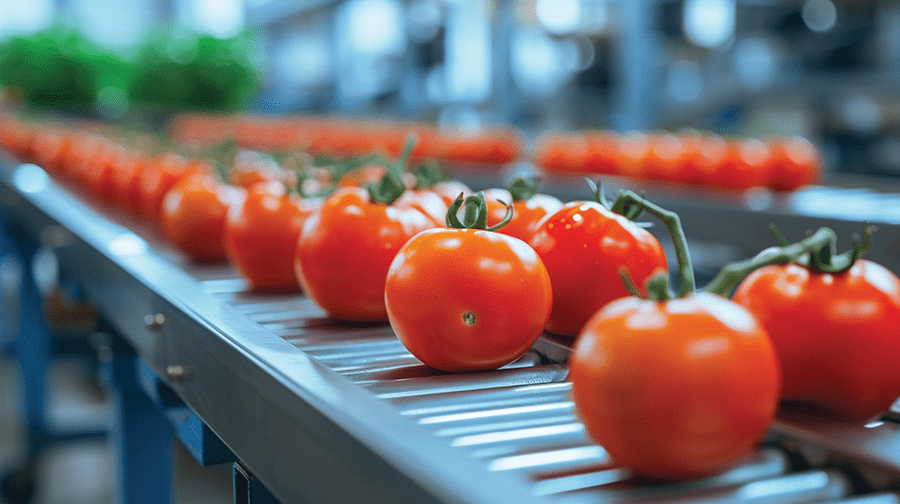
California contracted tomato processing acres are set to decline for the third straight year, according to a recent USDA report.
State tomato processors planned to contract for 9.8 million tons on 185,000 acres in 2026, according to the Jan. 23 report. That’s a drop of 11% from 11 million contracted tons forecast in the August 2025 California Processing Tomato Report, while the acreage is 10% below the 2025 estimate of 205,000 planted acres under contract in the August forecast.
Processors estimated an average yield of 53 tons per acre in 2026 in the survey, conducted by the USDA’s National Agricultural Statistic Services’ Pacific Regional Office.
The data reported by processors was either tonnage with derived acreage or acreage with derived tonnage. The estimate was funded by the California League of Food Producers.
If the estimates hold, they would mark the lowest contracted tonnage since 2005 and the first time in more than half a century that California growers plant fewer than 200,000 acres of processing tomatoes, according to an AgAlert article.
Mike Montna, president and CEO of the California Tomato Growers Association, told AgAlert that said a large crop last year, coupled with shifting consumer habits, dampened demand from processors purchasing tomatoes to make sauce, soup, ketchup and other products.
“We’ve got some inventory to work through,” Montna said. “We had a peak during COVID. You couldn’t keep it on the shelf because people were filling their pantries. Then we had people living off their pantries for a while, getting those levels back down. And then we had people not going back to their offices and eating differently.”
In 2024, California’s processing tomato crop was valued at $1.6 billion, making it the eighth most valuable agricultural commodity in the state, according to the California Department of Food and Agriculture.
The price per ton that farmers get for their tomatoes is negotiated each year between the tomato association and major processors. This year’s price had not been determined as of early March. In each of the past two years, it dropped.
Falling demand and reduced contracts have combined with rising input costs and supply chain disruptions caused by the U.S.-Israeli war with Iran to impact growers.
American Farm Bureau Federation president Zippy Duvall said in a recent statement that “a large share of fertilizer supplies our farmers rely on” come from countries in or near the Persian Gulf, where shipping routes including the Strait of Hormuz — a conduit for a fifth of the world’s oil — have been disrupted.
“We are hearing a groundswell of concern from farmers facing increased volatility in fertilizer and fuel prices, as well as some reports of companies freezing fertilizer sales, at a critical time with planting season coming into full swing,” Duvall said.