

‘Ugly’ produce yields attractive results
Marketing produce as “ugly” can be a recipe for sales success, according to research from the British Columbia Sauder School of Business.





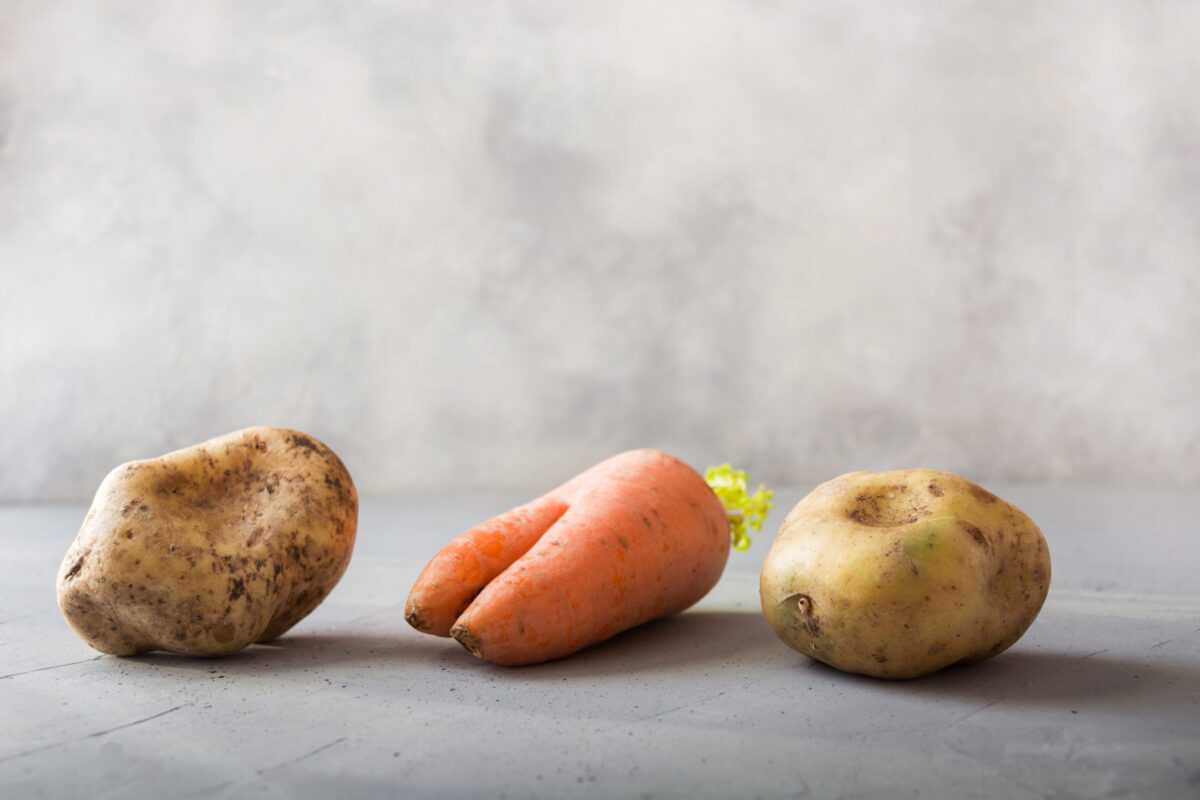
This is typical behavior for the majority of today’s consumers who are often less concerned with the nutritional quality or taste of their fruits and vegetables, and more concerned that their produce “look good” all year round.
This consumer attitude leads farmers and retailers to discard large amounts of produce failing to meet aesthetic standards, not because of disease or damage that may negatively affect taste or nutritional quality, but simply because of inherent variation in natural growth.
But marketing vegetables and fruits as “ugly” can be a recipe for sales success, according to new research from the University of British Columbia Sauder School of Business. This became particularly apparent as consumers turned to online shopping due to the pandemic.
When the pandemic hit the U.S. in March 2020, one online retailer, Imperfect Foods, found itself scrambling to keep up with a sudden increase in demand. In early 2020, the five-year-old online grocery startup was delivering about 100,000 food boxes a week. By May, that weekly figure had doubled. From June to August 2020, weekly orders remained at about 200,000 to 210,000 per week. On average, order sizes have doubled year over year, according to the company.
This surge shouldn’t come as a surprise. Imperfect Foods, an online subscription service that sells discount “ugly” fruits and vegetables along with staples like baked goods, meat and dairy, is in many ways a business fit for the coronavirus era. Much like other online services such as Hungry Harvest and Misfit Market, this model appeals to shoppers who turned to online offerings to avoid long lines, crowds at supermarkets — and generally appreciate the convenience of home delivery.
Gen Z and Millennial consumers, in particular, have increased their overall spending during the pandemic — especially on online grocery and food delivery. And those who still live with their parents influence purchase decisions like grocery shopping — more than 80% of parents of Gen Z teens told Boston Consulting Group that their teens influence household spending.
The convenience of home delivery (and pre-selected boxes based on customers’ preferences) mixed with the feel-good factor of contributing to a better food system meant a sharp increase in online fresh produce outlets such as Imperfect Foods, Misfit Market, Hungry Harvest and others. Combating food waste may have been the top driver for joining Imperfect Foods in 2020, but convenience was the number one factor in customer retention since the pandemic began, according to the company.
To about the advanced packaging solutions featured at PACK EXPO Las Vegas, as well as the educational, networking opportunities and the virtual component of the show, visit www.packexpolasvegas.com.
PACK EXPO International in Chicago is set for Oct. 23-26, 2022, at McCormick Place.
— By Maria Ferrante, the senior director of marketing and communications, PMMI, The Association for Packaging and Processing Technologies.