

Redefining healthy: processed fruits, veggies find place at table
Processed fruits and vegetables are playing an important role in Food is Medicine movement.





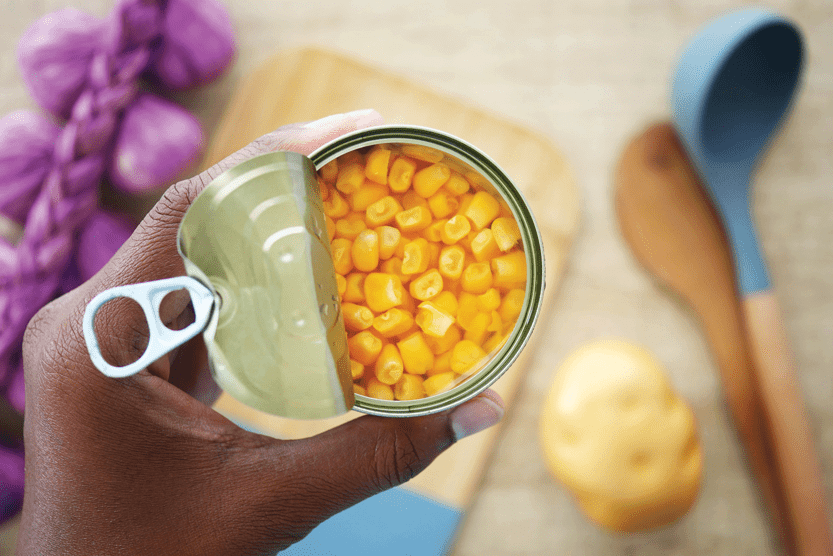
The last person Milette Siler expected to fall in love with frozen vegetables was a woman in the front row of her cooking class. A self-professed fresh produce enthusiast, the woman had just made a no-chop dish with frozen vegetables she was sure she wouldn’t like.
The result was so satisfying, though, that she wanted to make it every week.
Siler, a registered dietitian at the University of Texas Southwestern Medical Center in Dallas, runs around 90 cooking classes a year. The participants range from medical students and practicing physicians to cancer patients and food bank visitors.
She’s noticed a common thread between them: People know what they should eat but they can’t always pull it off, and they don’t always see processed fruits and vegetables as a healthy option.
But that’s where Siler’s classes work to show they’re wrong. Processed products are not only nutritionally dense but also address four key barriers in the kitchen: cooking ability, time, access and budget.
Starting from scratch
Siler’s cooking classes are about more than just following a recipe. Often they mean going back to the basics that reveal the challenges everyday Americans face in the kitchen: Young patients who grew up in households where nobody cooked. A generation that learned to eat but can’t cook. Medical students who have never sliced bread or boiled water.
Her answer is not to tell people what they should be eating. Instead, she starts by working with the products and skillsets the participants have. A frozen pizza becomes a more nutritious meal when topped with canned chickpeas, she said. One can of beans, which costs around $1, can add servings of fiber and protein that weren’t there before. No chopping. No special equipment. No culinary training required.
Siler calls it “nutrition by addition.” The idea, she said, is to meet people where they are and build from there.
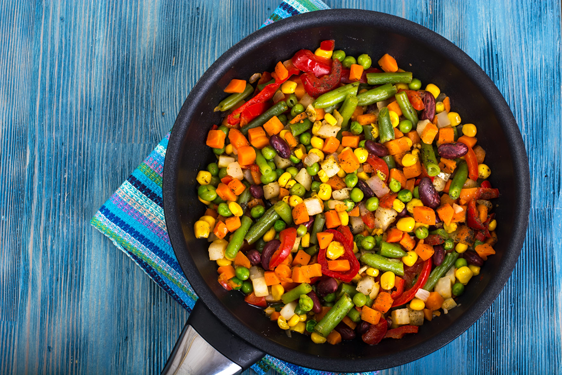
Canned and frozen fruits and vegetables are a natural fit where skills are lacking. Pre-cut, pre-washed and ready to go, a bag of frozen vegetables and a handful of spices can get dinner on the table without a single knife skill.
“I use those foods all the time to help my patients navigate themselves out of some of the darkest points of their lives,” Siler said.
No prep required
Sabrina Falquier, a physician and culinary medicine specialist based in San Diego, runs group medical visits where 10 to 12 patients spend two to three hours cooking together.
She makes no assumptions about skill level or equipment. Some participants only have a microwave. Others have never handled a knife. She starts from scratch every time, using whatever people have on hand, including canned and frozen fruits and vegetables.
Falquier calls it “culinary literacy” and said the deficit runs deeper than most people realize. Her San Diego practice serves a large Latino community, and she hears a version of the same embarrassed confession regularly. Patients feel shame about reaching for a can of beans instead of soaking dried beans overnight, the way their grandmothers did.
“I don’t know how many times I personally have woken up at midnight frustrated because I forgot to soak the beans,” she tells them. “Let that go.”
Canned beans are nutritionally dense, inexpensive and ready in seconds. For a working parent feeding a family on a weeknight, they can provide a solution, not a compromise.
When fresh isn’t an option
For millions of Americans, fresh produce simply isn’t an option. Food deserts, limited transportation and tight budgets mean that trips to the grocery store happen once a month — if that — making shelf-stable fruits and vegetables a viable option.
Falquier sees this in her practice, where she works with patients who have been told, directly or indirectly, that canned food is eating less than.
Siler sees that preconception, too. Her clinic at UT Southwestern has an on-site food pantry. Patients who screen positive for food insecurity can leave with something to eat the same day.
Many participants are cancer patients, she said, who were financially stable before their diagnosis and found themselves choosing between prescriptions and groceries within months.
For these patients, she said, a can of tomatoes or a bag of frozen vegetables may seem to be a compromise. But it’s not. It’s dinner.
Seizing the moment
A few years ago, Tami Iverson, marketing lead at Pacific Coast Producers, found herself at a health and nutrition conference watching celebrity chefs cook with fennel and ramps. In the audience, physicians from food deserts were describing patients who didn’t own a refrigerator.
The disconnect was surprising, but what struck Iverson most was the fact that canned produce wasn’t even part of the conversation. She felt what was going on onstage had very little to do with how most Americans eat.
For Iverson, the moment became a turning point. Working alongside Ginny Hair, director of the Canned Food Alliance, PCP started creating its own place in the growing Food is Medicine movement, partnering with hospitals, schools and retail dietitians to put canned fruits and vegetables into the hands of the people who needed them most.
Riley Peterson, nutrition director at Potatoes USA, saw the same opportunity. Potatoes have sometimes been dismissed as an unhealthy carbohydrate — a misconception that persists even among healthcare professionals, she said.

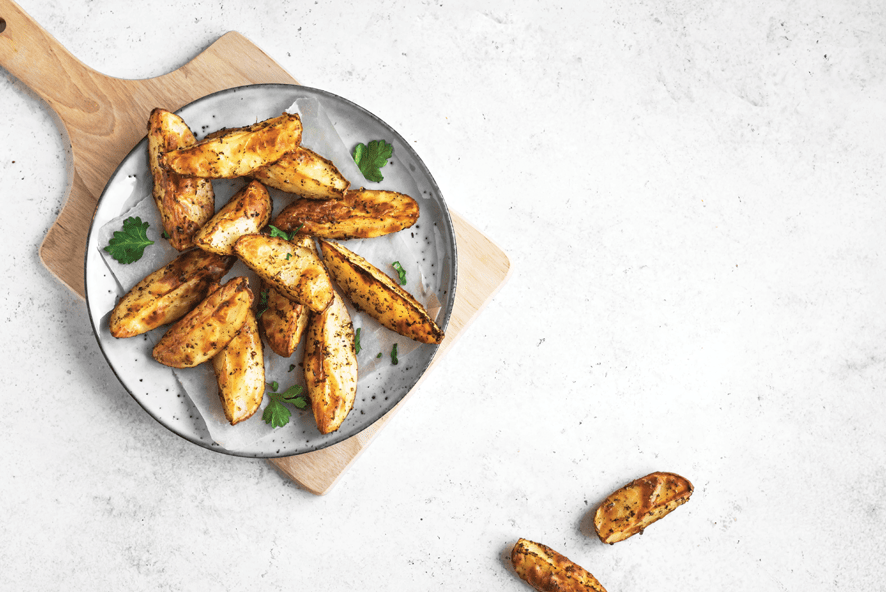
Potatoes USA has been working to change that, partnering with teaching kitchens and health professionals through events like its Tuber U culinary immersion, where healthcare educators spend a day cooking with potatoes, including processed forms.
Those who do leave with a very different understanding of what the vegetable brings to the plate, Peterson said.
“We’re not eating enough fruits and vegetables as is, so even processed forms can help fill nutrient gaps,” Peterson said. “If you’re eating processed forms of potatoes and you’re getting potassium, that’s a win in my book as a dietitian.”
Forward-looking solutions
The Food is Medicine movement is no longer the exclusive domain of farmers markets and fresh produce aisles. It has found a place in hospital teaching kitchens, school cafeterias, food pantries and retail stores across the country. Increasingly, processed fruits and vegetables are making their way into those spaces, too.
For processors looking to get involved, Falquier suggests putting more meaningful information on labels, comparing the nutritional value of canned and fresh products side by side, and being transparent about what is in the can.
Siler would like to see processors develop simple reference materials that dietitians can use with patients.
Iverson’s advice is to find the healthcare professionals, dietitians and educators who already believe in your product and build relationships with them.
“If we’re not talking about it, then who’s going to talk about it?” she said.