

Pacific Coast Producers steps up as steward of Del Monte brand
Pacific Coast Producers has stepped forward to preserve Del Monte’s legacy by purchasing a crucial segment of the company.





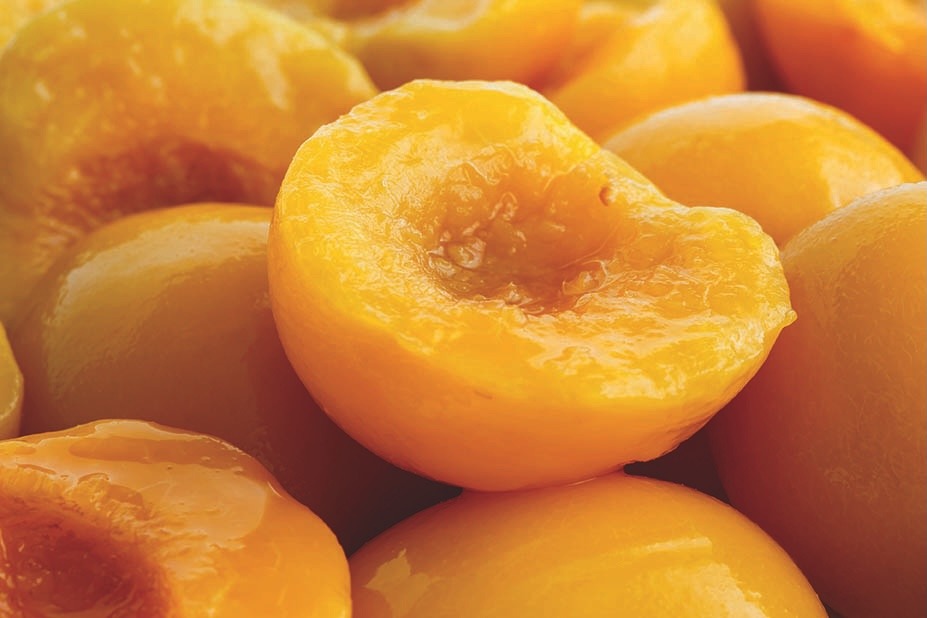
Del Monte has been a household name in American homes for generations. When the brand’s parent company filed for Chapter 11 bankruptcy in July 2025 and put its fruit business up for auction, Pacific Coast Producers (PCP) stepped forward to preserve that legacy by purchasing a crucial segment of the company.
As a California cooperative of roughly 160 family farmers, PCP is positioned to provide a seamless transition for the brand’s next phase. The company operates production facilities in California and Oregon and employs a workforce of more than 4,000 people.
On March 19, PCP completed its purchase of Del Monte’s canned fruit and fruit cup assets, along with the rights to license and market the Del Monte and S&W brands across the U.S., Mexico and Puerto Rico. Existing inventory and associated packaging materials were included in the deal. The acquisition does not include physical production facilities or equipment.
For a sector that has been shrinking for decades, PCP’s investment is a rare piece of good news.
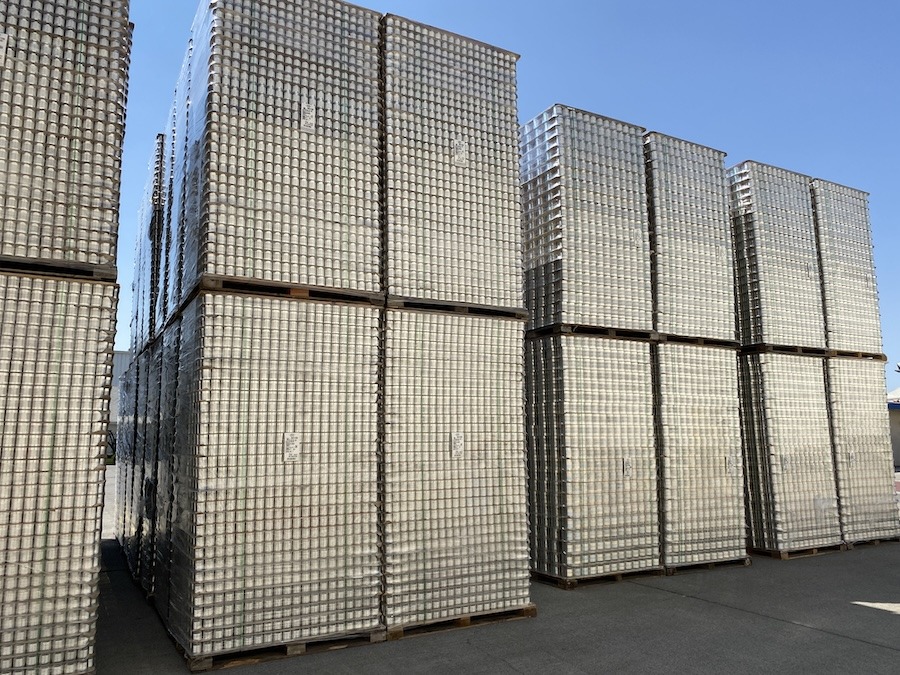
Currently, Pacific Coast Producers cans peaches at its Lodi and Oroville plants in California. Photos by Melanie Epp.
An industry under pressure
To understand why the acquisition matters, one needs to understand the pressures facing the canned fruit sector. Paul Fairbanks, PCP’s director of operations who oversees the cooperative’s three California processing plants, said consolidation has been steadily reducing the number of canning facilities across California since the 1950s.
Where there were once hundreds of plants across the state, there are just two peach facilities remaining today as competition from China, Greece, Chile and South Africa continues to squeeze domestic producers on price.
The closure of Del Monte’s cannery in Modesto, California, which processed peaches, apricots and pears, was expected to affect around 600 year-round employees and another 1,200 seasonal workers. In early May, USDA allocated $9 million to fund the removal of up to 420,000 clingstone peach trees — approximately 3,000 acres — and offer relief to area growers.
Waning consumer demand has added pressure, making the economics of large-scale canned fruit production even more difficult to sustain. Del Monte, one of the most recognizable names in the category, ultimately could not withstand those pressures. From that perspective, PCP’s move can be seen as more than just a business transaction; it is a move toward industry preservation.
Acquisition impact
The operational scope of the deal is broader than a license agreement and a warehouse of inventory might suggest. Fairbanks described hundreds — potentially thousands — of details that have to be worked through to roll the
Del Monte business into PCP’s existing operations. New item codes need integrating and finished goods need to be rolled into existing inventory systems.
The team at PCP will need to manage recipes and formulations and analyze packaging materials for compatibility with different equipment configurations. The goal, Fairbanks said, is that none of that complexity should be visible to the end consumer.
“To the individual in the grocery store looking for their favorite Del Monte canned fruit or fruit cup item, it’s going to be seamless,” he said. “They’re going to find the same products on the shelves with all the same great qualities and values that they’ve experienced out of the Del Monte brand for years and years.”
At the time of Fairbanks’ interview this spring, PCP was loading as many as 70 trucks a day out of the former Del Monte facility in Modesto, moving inventory to internal warehouses in preparation for future labeling and distribution.
To manage the brand over the long term, PCP has established a dedicated subsidiary: Del Monte Fruit Pantry LLC. The subsidiary will serve as a brand steward, with PCP’s production facilities operating as a co-packer on its behalf.
It is a deliberate structural choice, Fairbanks said. For most of its 50-plus year history, PCP has operated as a private label producer, following the branded players’ lead on market trends and consumer preferences.
Taking on the Del Monte license means stepping into a different role, one Fairbanks said means becoming a leader in determining where the canned fruit and fruit cup categories are heading.
Capacity, growers and the harvest curve
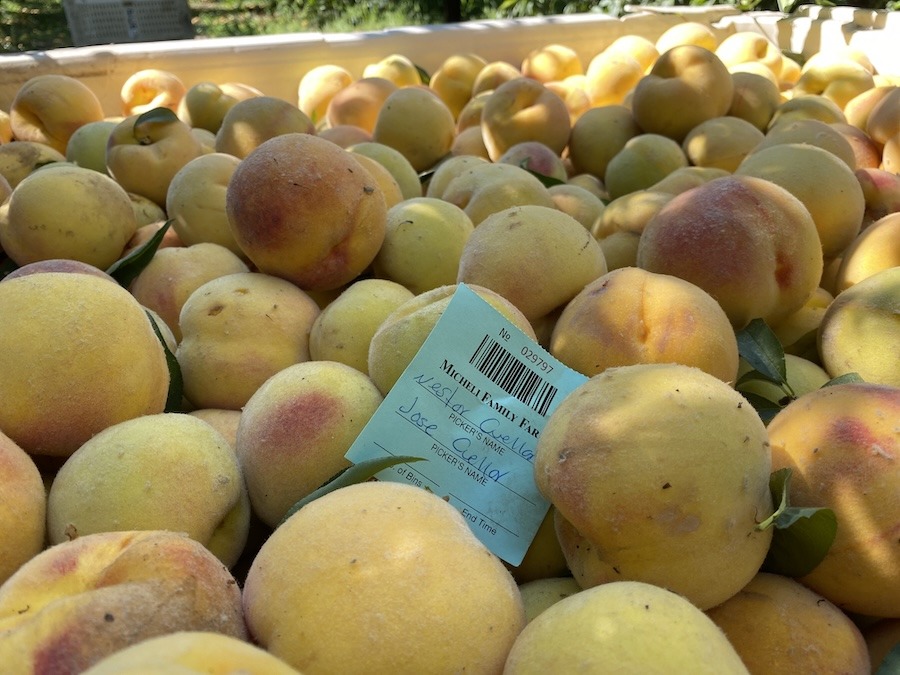
One of the more technically interesting aspects of the acquisition is how PCP aims to absorb an increase of around 30% to 35% in peach volume. The answer lies partly in capital investment and partly in what Fairbanks called “flattening the harvest curve.”
Canning peaches are harvested across a window from June through September, with varieties falling into four categories: extra earlies, earlies, lates and extra lates. In a typical season, PCP historically could not source sufficient fruit until mid-July, with volumes thinning by late August — a working season of roughly 40 to 45 days.
By contracting with growers who cultivate varieties at both ends of the window, PCP has extended that season to 60 to 65 days.
The significance of that becomes clear when the scale involved is considered.
“Every day that we can run is a day that we can run 15 million peaches,” Fairbanks said.
As a cooperative, the farmers who supply PCP’s are also company owners. That alignment shapes how Fairbanks thinks about the acquisition’s obligations. There are clear business reasons for taking on the Del Monte business, he said, but the cooperative’s grower foundations also presented an opportunity to do something for the farming community disrupted by Del Monte’s closure.
“We can take every possible ton of fruit that we possibly can,” he said. “And that’s exactly what we’re doing.”
A natural fit
On the logistics side, the transition is fairly straightforward. PCP is already shipping its products to many of the same grocery and food service customers that stocked Del Monte, so the distribution footprint was much the same even before the deal was signed.
“That piece of the puzzle fits really nicely,” Fairbanks said.
PCP has been producing fruit products since 1971. For Fairbanks, taking on the Del Monte brand is as much an act of stewardship as a business acquisition.
The cooperative, he said, is now at the helm of an iconic American brand that has endured for many years, and the team at PCP intends to sustain the brand’s future.